
Safety: Another Dimension to 3-Dimensional Printing
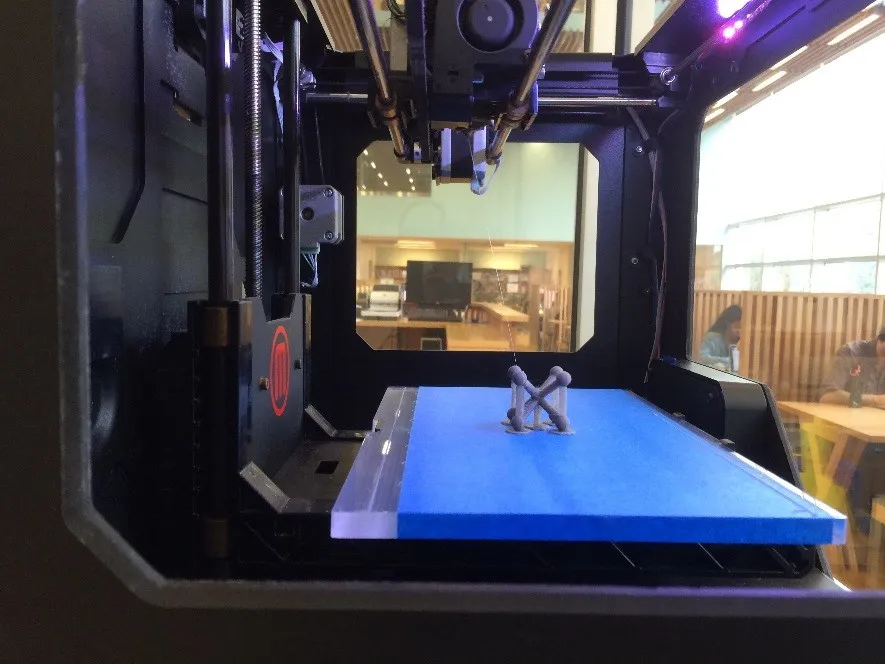
3D printing technology has grown substantially in popularity and application over the past few years. These printers offer the practical advantage of quickly building design prototypes. 3D printers have become smaller, more affordable, and increasingly common in offices, laboratories, shops, libraries and classrooms. The greater availability of these devices does not necessarily imply improved safety, however. Specifically, purchasers and operators of 3D printers must consider and control the creation of airborne, ultrafine particle (UFP) emissions to ensure the health and safety of users and others in the general vicinity.
Hazards
- Ultrafine Particles: UFP’s are nanoscale particles of a diameter of less than 100 nanometers. These emissions are released as plastic feed stock is heated and extruded. NIOSH studies have shown that inhaled UFP’s can deposit in the respiratory tract and potentially translocate to other organs through the bloodstream.
- Volatile Organic Compounds: VOC’s are released in the 3D printing process. The chemicals emitted vary with the feedstock used, and can include styrene and caprolactam. Unlike UFP’s, many VOC’s have established exposure limits as well as documented potential health effects.
- Metals: for 3D printing purposes, metals are used in powder form. Powders containing metals such as aluminum and chromium can be toxic when inhaled. Finely divided metal powders can also be pyrophoric and very combustible. Care must be taken to eliminate ignition sources in powder handling and printing areas.
- Compressed gasses: some 3D printers use compressed gas to push feedstock through an extruder, or to provide an inert atmosphere in the case of metal printing. Aside from the physical hazards associated with pressurized gas, some gasses can displace oxygen in the event of a leak.
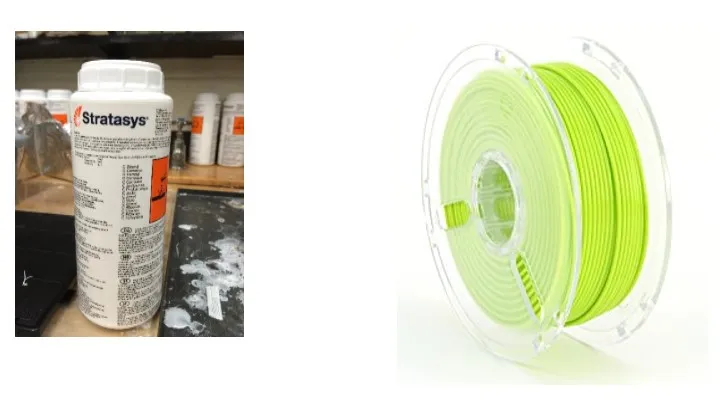
- Chemicals: printing complex shapes often requires support material which must be removed after completion of the print job. Support material is often dissolved away using caustic or acidic solutions. These chemicals require the use of appropriate personal protective equipment such as compatible gloves and eye protection. Procedures for handling, storage and disposal should be designed with safety in mind.
- High Heat: elevated temperatures are an integral part of many 3D printing processes. Although extruders and printing areas are commonly enclosed during printing, caution should be used to avoid contact with hot surfaces.
- Moving Parts: hands, loose clothing, hair and jewelry should be kept clear of any moving parts on the printer during operation
- Electrical: ensure that all outlets and cables are in good repair at all times. Especially in the case of metal printing, where pyrophoric powders are used, care must be taken to eliminate electrical ignition sources.
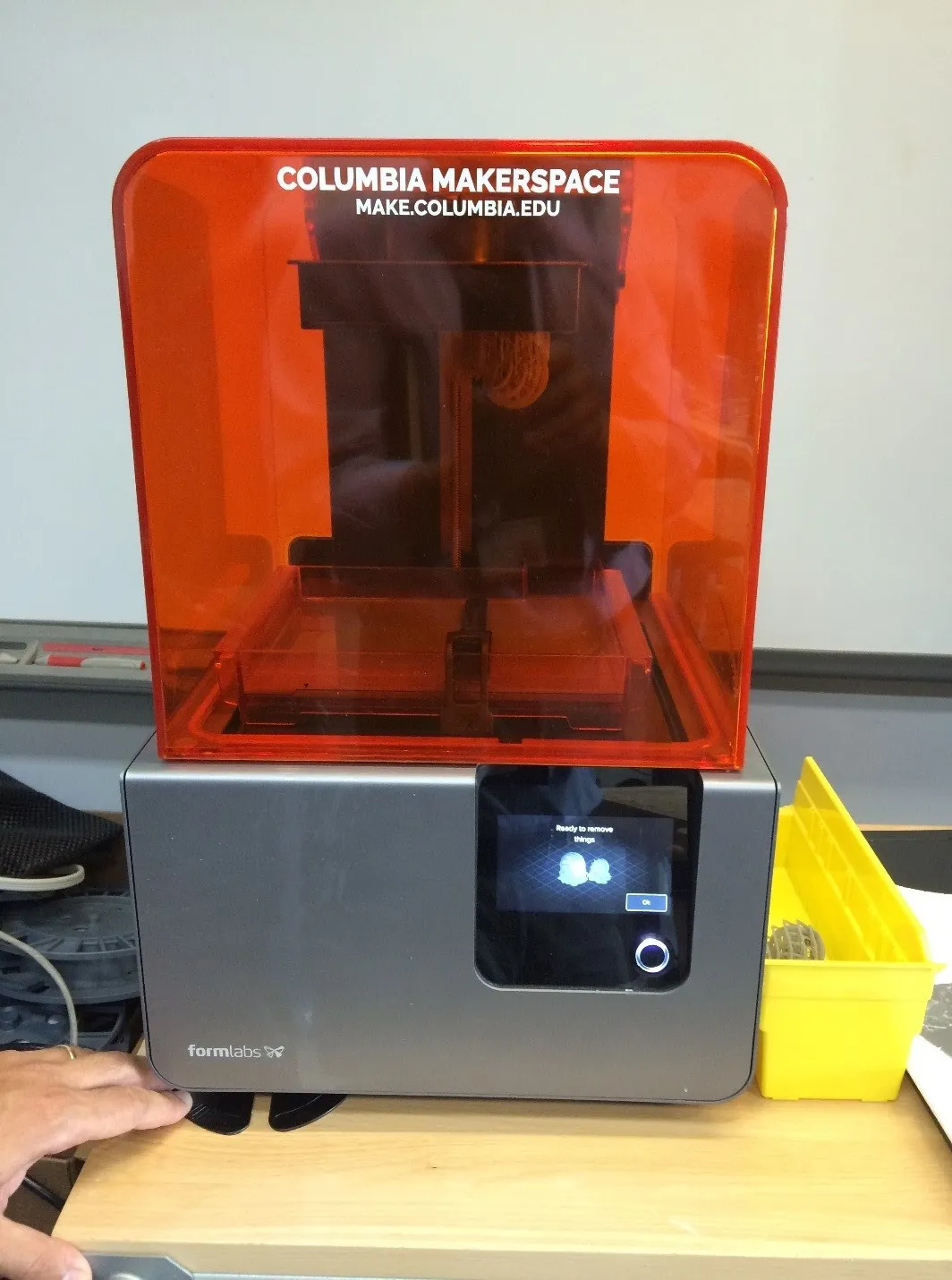
- UV: some printers utilize Ultraviolet Light to cure resin and form a 3 dimensional object. Care should be taken to ensure that any UV screens are in good repair.
Purchasing
The purchase of any 3D printer to be used in a Columbia University space must be reviewed and receive prior approval by EH&S in the Accounting and Reporting at Columbia (ARC) system. All purchase requisitions for 3D printers, regardless of transaction dollar value, must be processed in ARC using Category Code 23261507. 3D printer requisitions will be reviewed by EH&S, which will verify that proper UFP emission controls are established, prior to providing the appropriate purchase approval in ARC. The Columbia University Purchasing Card (P-Card) may not be used for the purchase of 3D printers.
Choosing a Printer
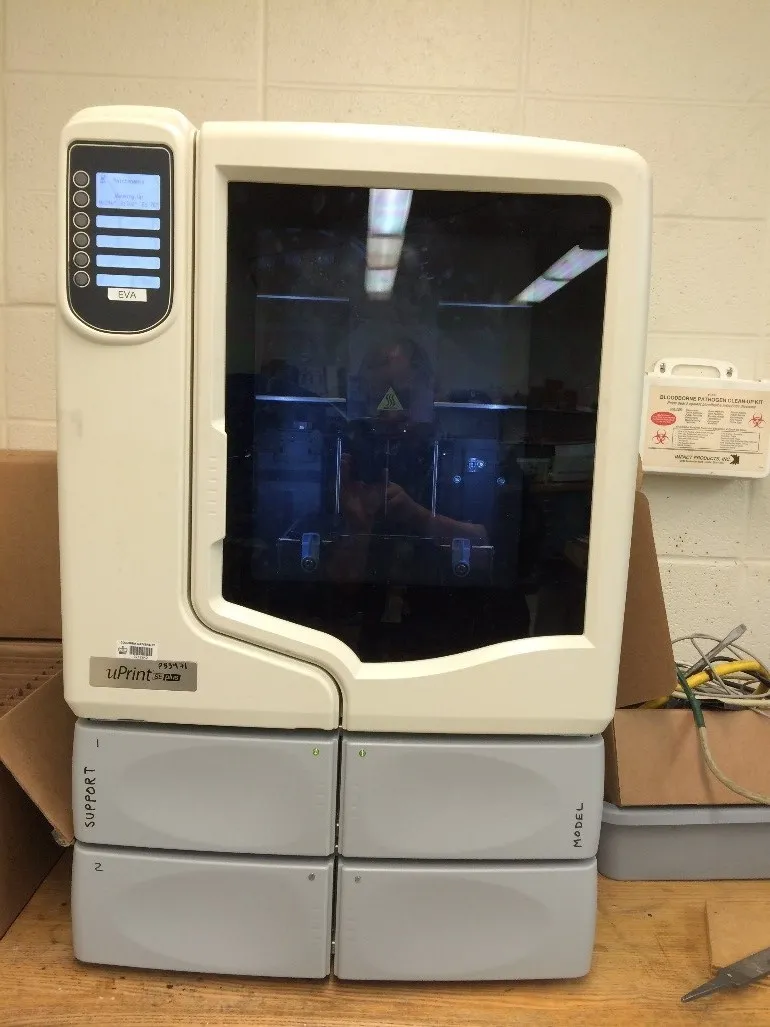
When selecting a 3D printer, it’s important to consider models with features that protect users from exposure. One such feature is the enclosure. Units with closable doors are generally designed to isolate the printing process and protect the extruder from fluctuating temperatures. Enclosures offer the added benefit of providing a barrier between the user and any emissions produced. During EH&S assessments of 3D Printers, closed-style printers were shown to reduce emissions compared to open-style printers, where UFP concentrations were observed to build up in the room in the absence of adequate ventilation.
Another important consideration in choosing a 3D printer is the materials involved. Always take the time to review Safety Data Sheets and manufacturer information about all polymers, solvents and other substances to be used in printing.
Plastic feedstock produces emissions when heated and extruded during printing. Of the two commonly used types, polylactic acid (PLA) has been shown to have a lower UFP emission rate than acrylonitrile butadiene styrene (ABS) filament. EH&S’s measurements confirmed that PLA produces lower concentrations of UFPs than ABS. VOC emissions can also vary considerably with the chosen feedstock color and type.
Finding the Right Location – Engineering Controls
EH&S should be consulted in the planning stages of any new 3D printing area. The primary factor in selecting an ideal location is ventilation. EH&S assessment results are consistent with existing literature in showing that local exhaust, where feasible, is highly effective in reducing airborne UFP concentrations in the room. Optimally, 3D printers should be placed near chemical fume hoods or other forms of local exhaust to remove UFP emissions from 3D printing areas. Closed-style printers are ideal for use in conjunction with local exhaust ventilation because the extruder and platform are protected from cooling.
Administrative Controls for 3D Printing
- Training: anyone using hazardous chemicals as part of the 3D printing process is required to take the Laboratory Safety/Chemical Hygiene/Hazardous Waste/Laboratory Fire Safety Training (TC1950)
- Installation and Maintenance: Follow manufacturer guidelines for the installation, use and maintenance of 3D printers
- Allow time for settling: Don’t open the printer door during operation. Reduce the potential for exposure by waiting a few minutes before opening the door after a print job.
- Control of Access: Access to 3D printing areas should be monitored
- Housekeeping: Maintain good housekeeping. An orderly work area is generally safer. Considering that UFP’s settle over time and are easily disturbed, regular cleaning can reduce the potential buildup of suspended particles in the printing room – especially where high traffic is a concern.
Personal Protective Equipment (PPE)
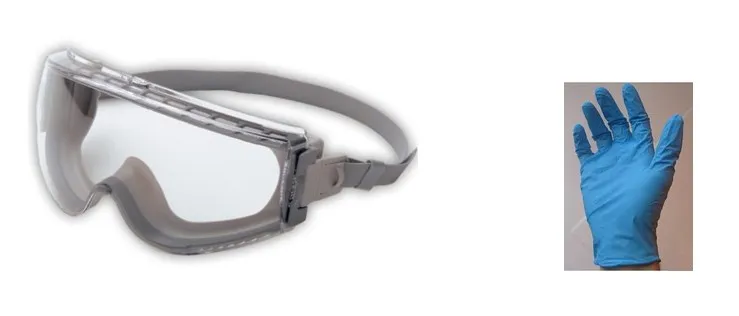
PPE is the last barrier between a hazard and the user – and it starts with proper work attire. Long pants and closed style shoes should always be worn when working with chemicals or equipment. Always follow the PPE requirements for the work area where the printer is located. Laboratories often require the use of lab coats, while shops may require safety glasses.
Printing related activities where PPE is needed would include primarily the use of chemicals to dissolve support material. Nitrile is the most common type of glove used for chemicals – be sure to consult a glove compatibility guide to identify the proper glove material for the chemical to be used. Splash goggles and a lab coat or apron are also recommended to protect the skin and eyes from chemicals. Please consult the PPE policy for more information.
Assessment
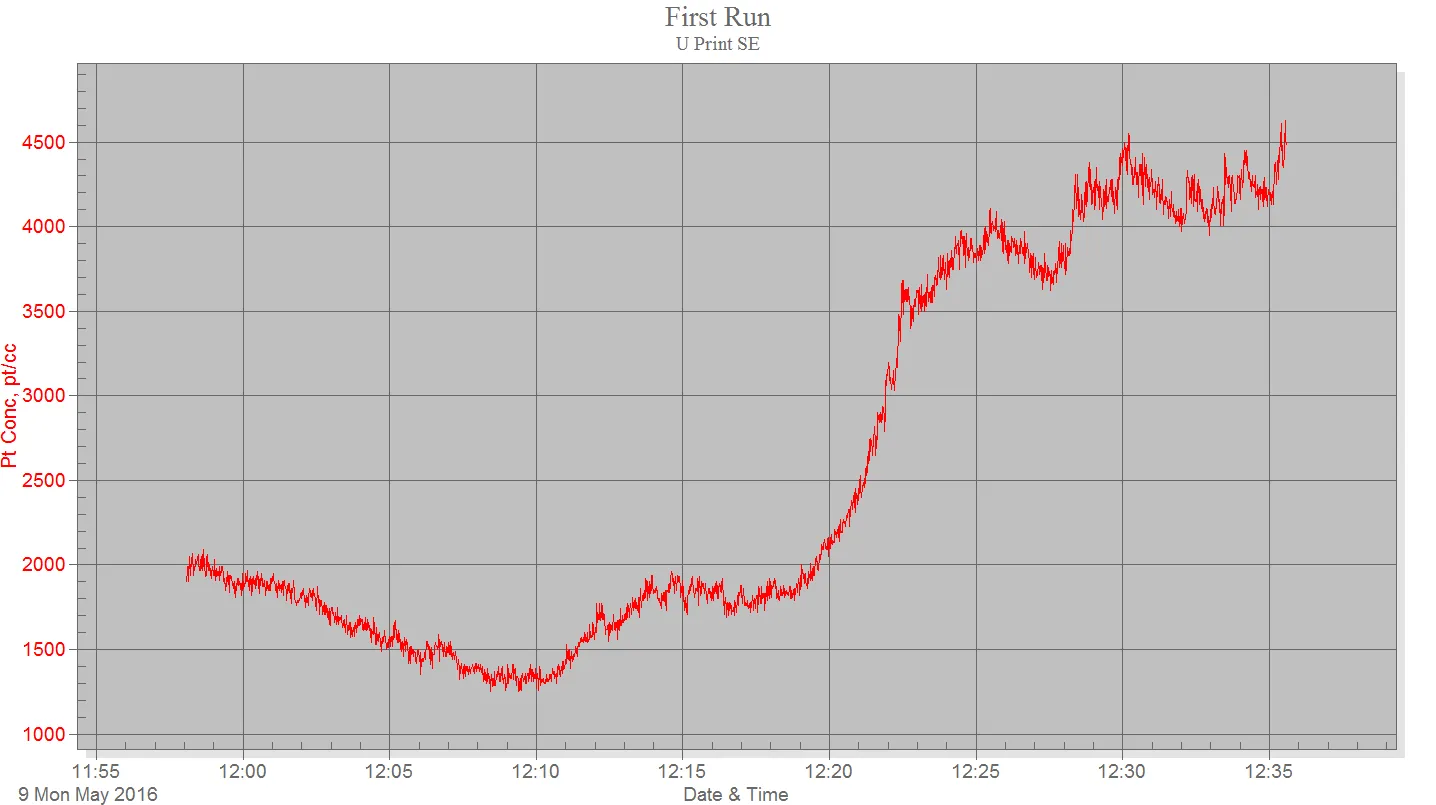
EH&S is available to perform a risk assessment for any 3D printer in a Columbia University space. This involves the use of monitoring equipment, and doing printer test runs after a brief background reading. If you are interested in having an assessment for your 3D printer set-up or would like some advice on where to best situate your printer, please reach out to Occupational Safety at [email protected].