
Shipping Hazardous Materials and Dangerous Goods
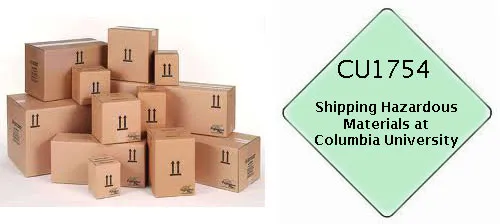
Many laboratory researchers will, at some point, need to ship materials for research or collaboration. It is critical to understand that shipping certain substances—including some chemicals, biological agents, and other laboratory items—comes with strict regulations for safety and legal compliance.
What Are Hazardous Materials and Dangerous Goods?
Hazardous materials (often referred to as “HAZMAT”) and dangerous goods are substances or items that can pose a risk to health, safety, property, or the environment during transportation. Examples include:
- Chemicals (e.g., flammable solvents, corrosives, toxics), including many laboratory reagents and kit components
- Biological materials (e.g., infectious substances, clinical specimens)
- Compressed gases (cylinders)
- Radioactive materials
- Lithium batteries and other hazardous electronic components
- Dry ice (when used as a refrigerant in shipments)
Both hazardous materials and dangerous goods are defined by federal and international regulations. "Dangerous goods" is a term commonly used for international shipping, while "hazardous materials" is the term often used in U.S. domestic regulations. The rules for shipping these items are designed to prevent accidents and ensure the safety of people, property, and the environment.
Why Do These Regulations Matter?
Improper packaging, labeling, or documentation can result in shipping delays, fines, confiscated items, or even injury. Violations of shipping regulations can also result in significant penalties for individuals and institutions, as well as damage to research if materials are lost or destroyed in transit.
Do I Need Hazmat Shipping Training?
Yes. Only trained and certified personnel are allowed to package and ship hazardous materials and dangerous goods. Training must be renewed regularly, according to regulations from agencies such as the U.S. Department of Transportation (DOT) and International Air Transport Association (IATA). EH&S offers training for researchers shipping certain classes of hazardous materials and dangerous goods, specifically low-hazard biological materials and small quantities of chemicals. All other hazardous materials and dangerous goods shipments must be prepared by a more highly trained individual.
In addition, competency-based training for all personnel involved in the shipping of dangerous goods via air transport is required. IATA certified personnel from EH&S are available to conduct an assessment for any individual shipping dangerous goods.
Intent to Ship Form – What Is It and When to Use It
Before shipping any item that might be regulated as a hazardous material or dangerous good—as well as any biological or research material—researchers are required to submit Columbia University's Intent to Ship Form. EH&S will review the form to determine whether additional assistance is needed, or if the items can be shipped by the requestor after completing training.
When should you use the Intent to Ship Form?
- To request information whenever you intend to ship any materials that may be regulated as a hazardous material/dangerous good to determine if additional assistance is required.
- When shipping biological samples (even if you believe them to be non-hazardous) to verify that the materials are Category B or exempt.
- To arrange competency verification, which is required for all trained shippers.
- For all international shipments of research materials, regardless of hazard status.
Researchers should submit the Intent to Ship Form before preparing your shipment or contacting a courier.
Please Note – Shipping delays can be unpredictable, and packages may be returned from FedEx to resolve issues with paperwork or containers. Researchers are strongly urged to submit Intent to Ship forms well in advance of delivery deadlines to account for this possibility.
Other Options
It is often possible for chemical reagents and other commercial products to be delivered directly to collaborators, saving the added time and expense of having them shipped from lab to lab. If there is a valid research need, the recipient's location can be added in CU MarketPlace and a PO can be issued to that Location ID. For additional information, please contact the Procurement Team.
How Can I Get Help or Training?
Columbia University’s Environmental Health & Safety (EH&S) office provides training and can advise researchers on shipping regulations and best practices.
Resources:
- Training is available for shippers of dry ice and exempt specimens on Rascal.
- For questions or to submit your Intent to Ship Form: contact [email protected]
Remember:
Never ship potentially hazardous materials or biological samples until you have completed the Intent to Ship Form and consulted with EH&S.